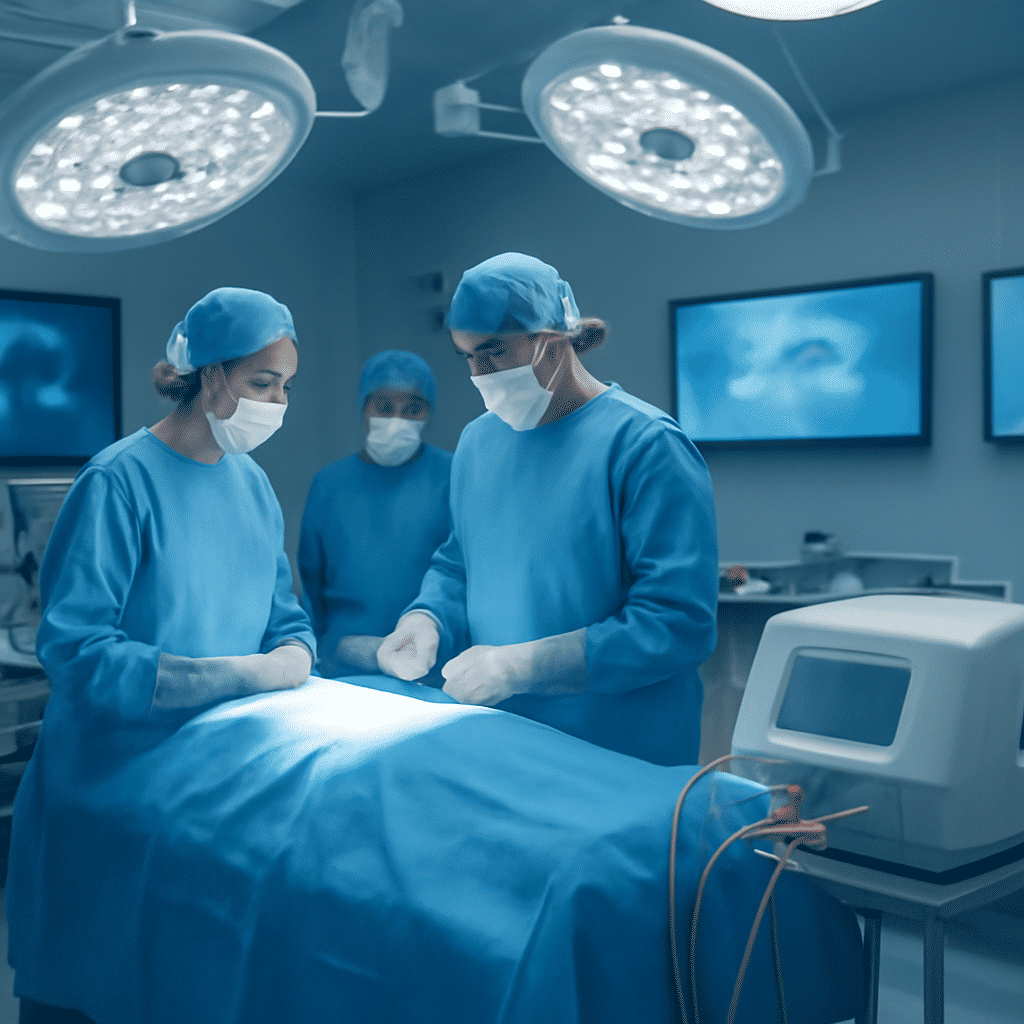
The integration of photonics in the field of medicine marks a transformative era characterized by significant innovations and enhanced healthcare outcomes. Photonics, the science and technology of generating, controlling, and detecting photons, particularly in the visible and near-infrared spectrum, is revolutionizing medical diagnostics and treatment through its ability to provide high-resolution, non-invasive, and real-time insights into complex physiological systems.
One of the forefront applications of photonics in medicine is in the field of medical imaging. Optical coherence tomography (OCT) is a prime example of how light-based technologies can yield unprecedented levels of detail in imaging biological tissues. OCT provides high-resolution cross-sectional images, aiding in early detection and accurate diagnosis of conditions such as retinal disorders, cardiovascular diseases, and even some cancers. By enabling detailed visualization at the microscopic level, OCT facilitates not only early diagnosis but also the precise monitoring of disease progression and the effectiveness of ongoing treatments.
In addition to imaging, photonics is making a substantial impact in therapeutic applications. Photodynamic therapy (PDT) utilizes light-sensitive compounds that are selectively absorbed by cancerous cells. Once activated by light of a specific wavelength, these compounds produce reactive oxygen species that effectively destroy malignant cells while minimizing damage to surrounding healthy tissue. This targeted approach reduces the side effects often associated with traditional cancer treatments such as chemotherapy and radiation, presenting a more patient-friendly and efficient alternative.
Moreover, advances in laser-based technologies illustrate another dimension of photonics in healthcare. Lasers are being employed in a diverse range of surgical procedures, from precise eye surgeries to the removal of tumors. Their ability to cut, coagulate, and ablate tissue with exceptional precision results in minimized bleeding, reduced risk of infection, and faster recovery times for patients.
Another exciting development lies in the use of photonics for non-invasive patient monitoring. Wearable devices that harness photonic technologies are increasingly sophisticated, capable of monitoring vital signs such as heart rate, oxygen saturation, and even glucose levels in diabetic patients. These devices empower individuals to manage their health conditions actively and in real-time, reducing the necessity for frequent clinical visits and enabling early intervention in the event of abnormal readings.
In the realm of biophotonics, the convergence of biological research and photonic technologies is driving forward personalized medicine. By leveraging techniques such as fluorescence spectroscopy and Raman spectroscopy, researchers can analyze biological samples at the molecular level, gaining insights into genetic and cellular abnormalities. This approach facilitates the development of customized treatment plans tailored to the specific genetic makeup and condition of each patient, heralding a new era of precision medicine.
The integration of photonics in medicine is not without its challenges. Issues such as ensuring the affordability and accessibility of these advanced technologies, as well as addressing concerns related to data privacy and security, are pivotal in ensuring broader implementation. However, ongoing research and collaboration among scientists, engineers, and healthcare providers are paving the way for overcoming these barriers.
As the potential of photonics in medicine continues to unfold, the promise of improving healthcare outcomes becomes more tangible. By harnessing the power of light, we are not only enhancing our diagnostic and therapeutic capabilities but also paving the way for a new paradigm in healthcare—one that is more precise, less invasive, and inherently aligned with the needs of individual patients. The journey of integrating photonics into medicine is just beginning, and its potential to reshape the landscape of healthcare is truly boundless.